Persephone and Hades – Greek religion
Hades kidnaps Persephone (mosaic from Amphipolis, 300s BC) Persephone was the daughter of the goddess Demeter. One day Persephone was dancing with her friends in a sunny meadow, having a good time, picking [...]

Hades kidnaps Persephone (mosaic from Amphipolis, 300s BC) Persephone was the daughter of the goddess Demeter. One day Persephone was dancing with her friends in a sunny meadow, having a good time, picking [...]
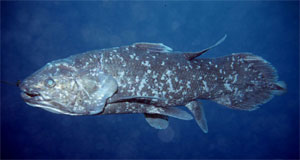
Coelocanth: a fish from the Devonian period When was the Devonian period? Four hundred and sixteen million years ago, when the Silurian period ended and the Devonian period began, most [...]
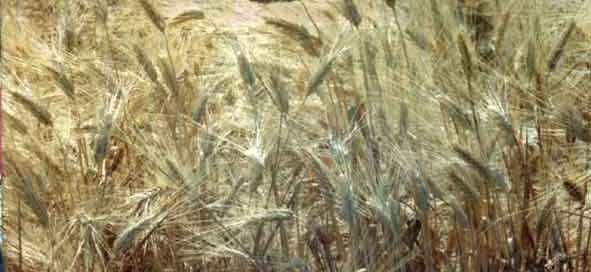
Wheat history: a field of wheat Did early humans eat wheat? Ever since people left Africa for West Asia, about 70,000 BC, they have probably always eaten wheat, which tastes [...]
Wild sunflowers or Black-Eyed Susan flowers Where do sunflowers grow wild? Sunflowers grew wild all over North America. From the Paleo-Indian time on, many different groups of people picked sunflowers and [...]
A field of sorghum growing Sorghum, like millet, is one of the plants that African people figured out how to farm and then spread to the rest of the world. [...]
A field of rye growing Like barley and wheat, rye's a kind of grass that is a good source of carbohydrates for people. Rye is different from the other grains [...]
Rice history: A bowl of brown rice What is rice? Rice is a kind of grain, or grass, like wheat, millet, or barley, that provides carbohydrates to people who eat its [...]
Brown lentils Where are lentils from? Lentils are a type of bean, native to West Asia. They grow on low bushes, and can do well with very little water. The [...]
History of dates: Two dates Dates are from West Asia Wild dates probably evolved around 50 million years ago, as a way for date palms to get animals to eat [...]
Corn history: Corn on the cob Teosinte and corn Corn is a kind of seed, like rice or wheat, that comes originally from a kind of wild grass that grows [...]